Flowertown Festival Boosts Small Businesses in Summerville
The Flowertown Festival drew nearly 200,000 visitors to Summerville, giving small businesses one of their highest-stakes retail weekends of the year.
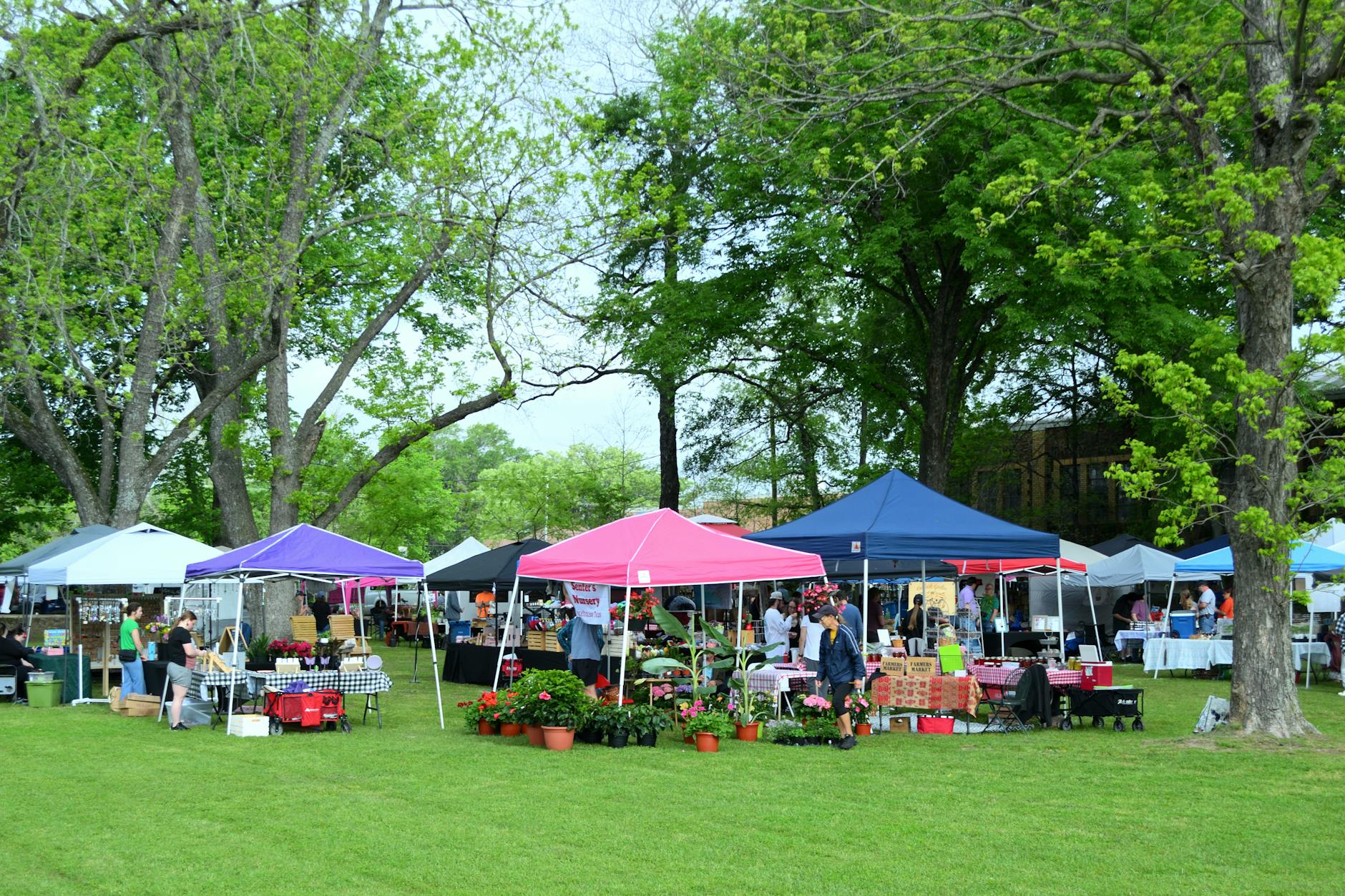
The Flowertown Festival drew tens of thousands of visitors to downtown Summerville this weekend, with organizers projecting close to 200,000 attendees across the three-day event. The annual spring gathering fills Azalea Park and spills into surrounding streets, pulling vendor traffic that small business owners in the region treat as one of the highest-stakes retail weekends of the year.
The festival’s footprint this year included hundreds of vendors, ranging from regional artisans and specialty food producers to boutique retailers looking to convert foot traffic into lasting customer relationships. For many of those businesses, the Flowertown weekend represents a meaningful share of early-quarter revenue, compressed into roughly 72 hours of selling time.
That kind of concentrated commercial activity carries real economic weight for Summerville’s broader retail corridor. Dorchester County has seen steady residential growth over the past several years as housing development pushes inland from the Charleston peninsula, and festivals like Flowertown function as a pressure test for local commercial infrastructure. Parking capacity, pedestrian flow, and the ability of downtown food and beverage establishments to absorb surge volume all come into focus when attendance figures approach six figures.
Summerville’s downtown has attracted more outside retail and restaurant interest in recent years, partly because land costs remain lower than on the peninsula and partly because the population base supporting those businesses has grown substantially. The Flowertown Festival accelerates that visibility, putting the town in front of a regional audience that extends well beyond Dorchester County residents.
For vendors without permanent storefronts, events like this one offer something harder to quantify than a single weekend’s sales total. Direct consumer contact, email list growth, social media reach, and wholesale inquiries from buyers attending the event all factor into how small operators assess the return on their booth fees and logistics costs. A vendor paying several hundred dollars for a festival slot and absorbing transportation and staffing overhead is making a calculated bet that the exposure justifies the upfront cost.
The Flowertown Festival has operated for decades and carries enough name recognition to draw vendors from well outside the immediate Lowcountry area. That regional pull is part of what makes the attendee projection credible. Azalea blooms provide the backdrop, but the commercial draw is what fills vendor waitlists.
Summerville’s position along the Interstate 26 corridor gives it logistical advantages that a more isolated small city wouldn’t have. Visitors driving in from Columbia, the Midlands, or the North Charleston suburbs face a straightforward trip, and that accessibility is reflected in the turnout numbers organizers routinely post.
The timing also matters commercially. Spring in the Lowcountry arrives with enough mild weather to make outdoor events viable, and April sits ahead of the heat and humidity that compress the outdoor festival calendar toward its practical limits. Vendors and organizers both benefit from that window, and Flowertown has historically landed near the optimal point in that seasonal curve.
What the festival doesn’t fully solve is the challenge of converting one-weekend visibility into sustained local commercial activity. Business owners who set up booths and draw strong sales on a Saturday in April still face the same question any small operator faces: how to maintain that customer relationship past Sunday afternoon. The vendors who treat Flowertown as a lead-generation event rather than purely a point-of-sale moment tend to be the ones who extract longer-term value from the exposure.
Summerville town officials have pointed to events like Flowertown as anchors in a broader strategy to build downtown commercial density without the displacement pressures that have reshaped parts of the Charleston peninsula. Whether festival foot traffic translates into lease signings and permanent business openings is a slower and less visible process than the weekend crowds suggest, but the direction of interest is measurable in the number of vendors returning year after year and in the applicant lists that reportedly exceed available booth slots well before the festival opens.
The 2026 event runs through Sunday.