Charleston City Council Must Hold Mayor Cogswell Accountable
Short council meetings in Charleston may signal avoidance, not efficiency. Here's why City Council must do more to oversee the mayor's office.
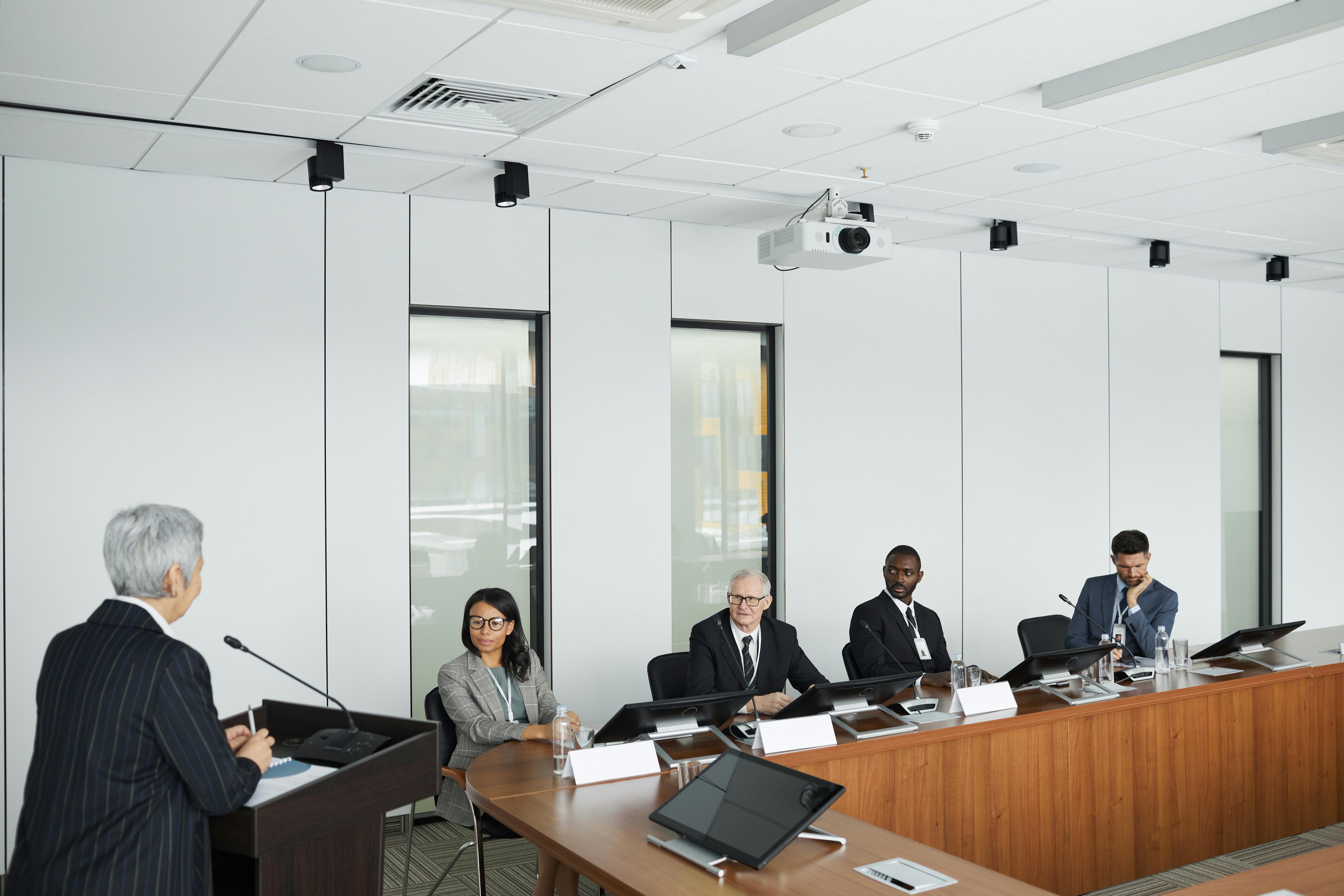
Charleston City Council members got a laugh last April when Mayor William Cogswell boasted that meetings under his watch had become “civil, productive and well, short.” Nearly a year later, that punchline deserves a harder look.
Short meetings are not inherently a virtue in municipal government. When a city faces rising housing costs, strained infrastructure, and a tourism economy that creates as many workforce headaches as it does revenue, brevity at the council table can signal something other than efficiency. It can signal avoidance.
The mayor’s framing rewards the wrong metric. Investors on Wall Street used to say that a quiet earnings call from a company with mounting problems was not a good sign. The same logic applies here. Council members who move quickly through agendas, ask few probing questions, and return home before dinner are not demonstrating competence. They are demonstrating passivity.
Charleston’s city government manages hundreds of millions of dollars in public funds, oversees development decisions that shape neighborhoods for generations, and holds contracts with vendors and developers who have enormous financial stakes in how those decisions go. That kind of institutional power demands rigorous oversight, not streamlined agendas.
The accountability gap matters most when it comes to the mayor’s office itself. Cogswell has consolidated authority and established a communication style that rewards favorable coverage and sidesteps friction. That is a natural instinct for any executive. But council’s job is to provide friction when the numbers and outcomes warrant it. A council that congratulates itself on short meetings is a council that has largely stopped doing that job.
Consider what substantive oversight actually looks like. It means asking budget officials to explain variances line by line. It means tracking whether capital improvement timelines are being met and demanding answers when they are not. It means reviewing tourism-related spending and assessing whether the city’s return on that investment holds up against comparable markets. It means treating the mayor’s office as a partner, yes, but also as an entity that answers to the public through council’s oversight function.
None of that work is fast.
Charleston has grown considerably over the past decade, and the economic pressures that growth generates do not resolve themselves through administrative goodwill. Housing affordability has worsened. The workforce pipeline for hospitality, healthcare, and skilled trades remains stressed. Infrastructure investments that were deferred during lean budget cycles are now overdue. These are not abstract concerns. They are conditions that shape whether working residents can afford to stay in the city they help run.
Council members represent those residents. Their job is not to make the mayor look good or to keep meetings pleasant. Their job is to ask the uncomfortable questions that the executive branch, left to its own devices, would rather not answer in public.
The good news is that this is a fixable problem. Council does not need new authority or new legislation to do its job better. It needs the will to use the authority it already has. That means longer meetings when longer meetings are necessary. It means requesting documentation, demanding follow-up, and holding the line on vague assurances when specific data should be available.
Cogswell is a capable executive with real accomplishments in office, and none of this argues that his administration has been corrupt or reckless. The argument is simpler: unchecked executives make worse decisions over time. That is true in corporate governance, and it is true in city government. The structural answer to that tendency is an engaged legislative body that treats oversight as a core function rather than an obstacle to adjournment.
Charleston deserves a city council that earns its meetings running long. Not because dysfunction is a virtue, but because the work of governing a growing, complex, economically pressured city cannot be compressed into a highlight reel. The residents watching from the gallery, and the many more who cannot afford the time to attend at all, need representatives who take the slow, unglamorous work of accountability seriously.
Getting back to that work starts with council members recognizing that the mayor’s joke about short meetings was never actually something to laugh about.