Gayle McCaffrey Missing 14 Years: Detectives Seek Tips
Charleston County Sheriff's Office renews plea for tips 14 years after Gayle McCaffrey vanished, with the case classified as a homicide but no body found.
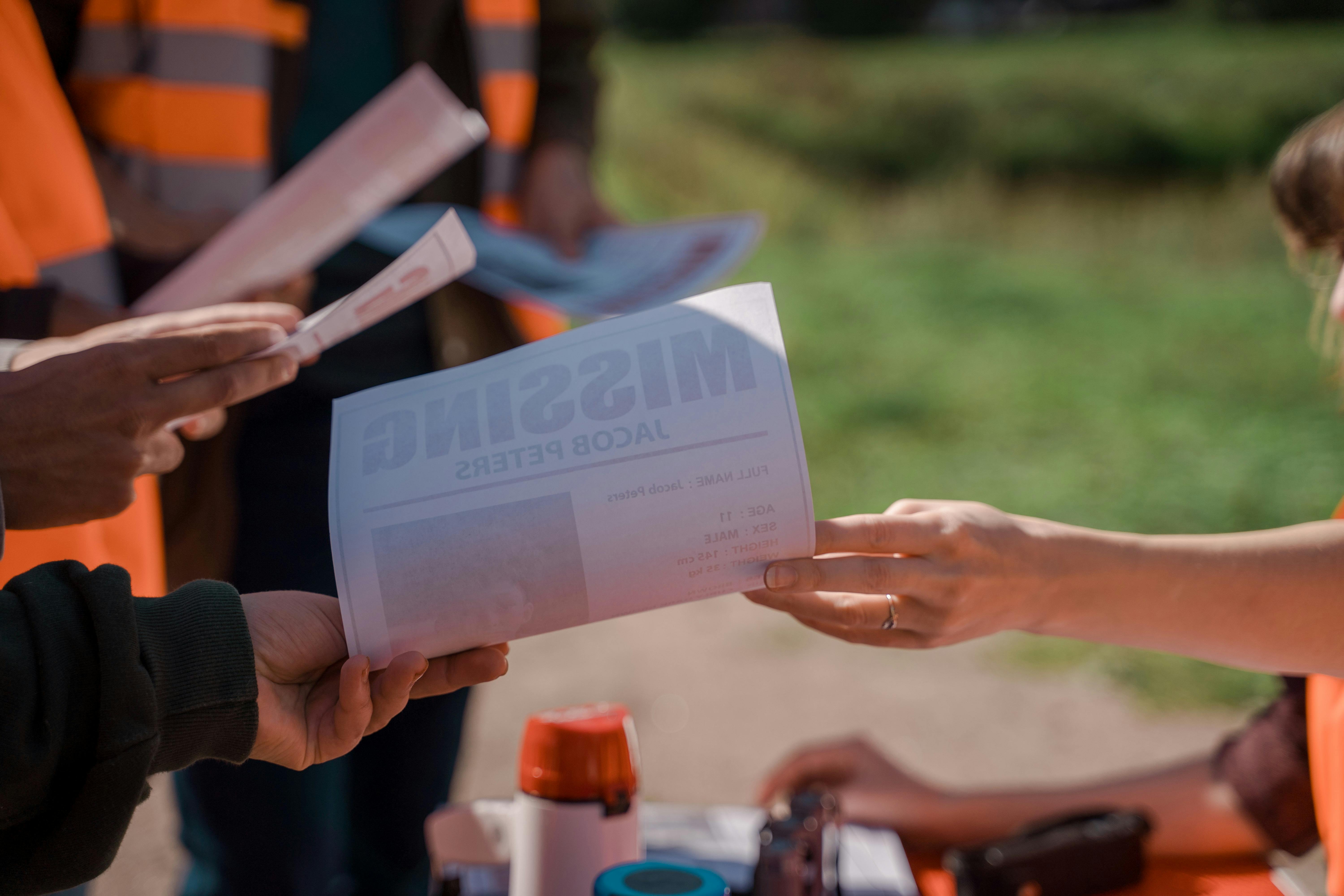
Fourteen years after Gayle McCaffrey disappeared from her West Ashley home, Charleston County Sheriff’s Office detectives are still asking the public for help, and they still have no answers to offer her family.
The sheriff’s office marked the anniversary of McCaffrey’s disappearance this week, renewing its call for tips in a case that investigators have classified as a homicide. The designation means detectives believe McCaffrey is dead, though her body has never been found.
McCaffrey vanished from the West Ashley area of Charleston County. Her case has stretched across more than a decade without resolution, placing it among the most persistent unsolved investigations in the county’s recent history.
Homicide classifications in missing persons cases are not made lightly. Investigators typically apply that designation when physical evidence, witness accounts, or the circumstances of a disappearance point toward foul play rather than a voluntary absence. In McCaffrey’s case, detectives reached that conclusion, though the sheriff’s office has not publicly detailed what specific evidence drove them to it.
The lack of a recovered body creates compounding challenges for any prosecution. Without physical remains, building a case that meets the legal standard for conviction requires other forms of evidence, including witness testimony, digital records, financial trails, or forensic material from a scene. Investigators in cold cases often wait years for a piece of information to break things open, sometimes a person who was afraid to talk finally comes forward, sometimes new forensic technology makes old evidence yield new results.
Charleston County detectives are banking on the former. They are asking anyone who knew McCaffrey, knew her circumstances in the months before she vanished, or has heard anything in the years since to contact the sheriff’s office.
Cold cases rarely close on their own. They close when someone who has been holding information decides the silence is no longer worth it. Relationships change. People move. Circumstances that once made staying quiet feel necessary sometimes dissolve over time. Detectives working cold cases understand this, which is why they continue marking anniversaries publicly. The goal is not nostalgia. It is pressure.
For McCaffrey’s family, fourteen years without answers represents something harder to quantify than an open case file. Families of the missing and presumed dead exist in a particular kind of legal and emotional limbo. They cannot fully grieve. They often face practical complications around estates and legal status. They watch as time passes and public attention moves on, while their loss stays fixed.
The sheriff’s office has not released details about persons of interest or suspects in the case. It is not known whether anyone has been formally investigated in connection with McCaffrey’s disappearance.
The Charleston area has seen several high-profile cold case reviews in recent years, driven in part by advances in genetic genealogy and digital forensics that have allowed investigators to revisit evidence collected long ago with tools that did not exist at the time. Whether any of those methods are being applied to the McCaffrey investigation is not publicly known.
What is known is that investigators believe a crime occurred, that someone is responsible for Gayle McCaffrey’s death, and that someone who reads this or sees a similar appeal may know something useful.
The Charleston County Sheriff’s Office asks anyone with information about the McCaffrey case to contact its tip line. Tips can be submitted anonymously through Crimestoppers of the Lowcountry.
McCaffrey’s case is a reminder that the resources and attention a case receives in its early days do not always determine whether it gets solved. Some of the most significant breaks in cold cases have come from a single phone call, years or even decades after the fact, from someone who finally decided to tell what they knew.
Fourteen years is a long time. It is not, however, too long. Detectives are still working this case and still listening for the call that changes everything.