Hawaii's Worst Flooding in 20 Years Threatens Dam on Oahu
Hawaii officials ordered North Shore Oahu evacuations after historic flooding raised dam stability fears, with more rain forecast through the weekend.
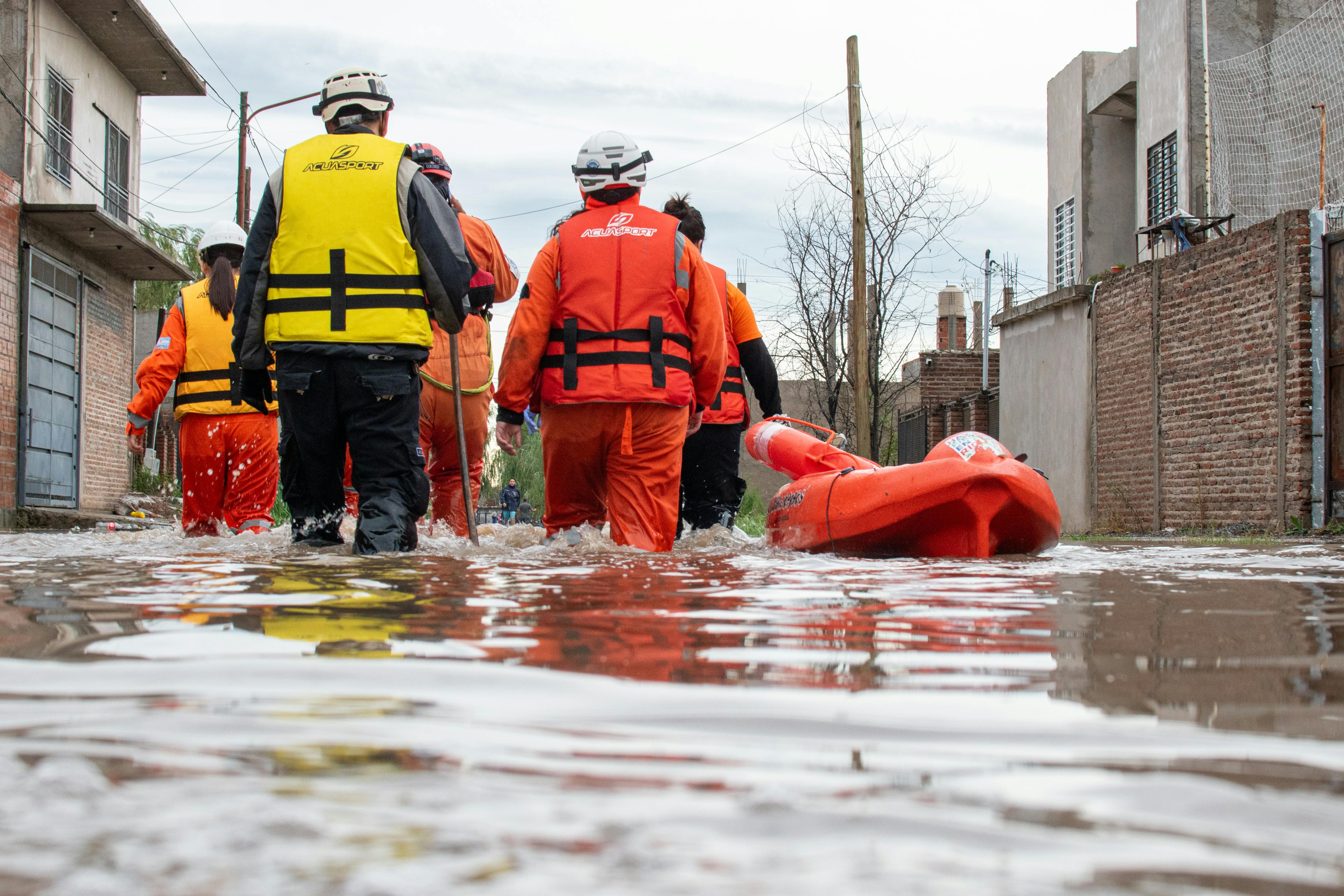
Hawaii officials urged residents across Oahu’s North Shore to evacuate Saturday after flooding officials described as the worst the state has seen in more than two decades swamped communities and raised fears about dam stability.
Heavy rains fell on soil already saturated from a winter storm the week before, and forecasters warned more precipitation was on the way through the weekend. The combination sent muddy floodwaters across vast stretches of the North Shore, a community internationally recognized for its surf culture and coastline.
The back-to-back storms created conditions that emergency managers said made the flooding particularly dangerous. When ground cannot absorb additional water, even moderate rainfall can produce rapid and severe runoff. With a major storm delivering that rainfall onto already-soaked terrain, officials moved quickly to push residents out of vulnerable areas before conditions worsened.
Authorities did not immediately detail which specific dam faced the greatest threat, but the concern itself reflects the stakes involved. Dam failures during flood events can produce catastrophic downstream consequences within minutes, leaving residents little time to reach higher ground. Emergency managers across the country have grown increasingly focused on aging dam infrastructure as climate patterns deliver more intense precipitation events in compressed timeframes.
Hawaii’s geography makes flooding emergencies particularly complex to manage. Oahu’s North Shore communities sit between the ocean and the Ko’olau and Waianae mountain ranges, with valleys and streams that can funnel enormous volumes of water toward populated areas during heavy rain. Evacuation routes are limited in some of these communities, adding urgency to early warnings.
The flooding marks a significant benchmark. State officials called it the worst in more than 20 years, a designation that signals conditions well outside what residents and infrastructure in the region routinely handle. Storms of that magnitude stress drainage systems, roads, and structures that are built and maintained with more typical weather patterns in mind.
Emergency shelters were opened for displaced residents, though officials did not immediately release figures on how many people had evacuated or sought shelter. Rescues were underway in some flooded areas, according to reports from Honolulu emergency management.
The North Shore communities facing the worst impacts include areas where agriculture, tourism, and residential neighborhoods exist in close proximity. Flooded fields, damaged roads, and disrupted access to properties represent significant economic harm even before accounting for damage to homes and structures. Recovery from events of this scale typically takes weeks or months and often requires state and federal assistance to complete.
The timing of the flooding, arriving in the final days of winter and carrying the remnants of a system from the previous week, illustrates how consecutive storms can amplify damage beyond what any single event would cause. Emergency managers repeatedly point to soil saturation as a multiplier. The first storm soaks the ground. The second storm has nowhere to send the water.
State officials urged residents not to drive through flooded roadways, a warning that emergency managers issue in virtually every major flood event and one that is frequently ignored with fatal results. Floodwaters can be deceptively deep and fast-moving, and the force required to sweep a vehicle off a road is far less than most drivers expect.
More rainfall in the forecast meant officials expected conditions to potentially worsen before they improved. That forecast complicated decisions about when to declare the immediate threat passed and when it remained active, forcing emergency managers to hold evacuation orders in place even as some residents pushed to return to check on their properties.
The broader question of Hawaii’s flood preparedness will likely receive attention in the coming weeks. State legislators and county officials often take up infrastructure and emergency response reviews following major disasters, though follow-through on those reviews has historically varied. Public records related to dam inspections, deferred maintenance schedules, and emergency action plans for at-risk structures will be worth scrutinizing as the full scope of this event becomes clear.
For now, the immediate priority remained getting people out of harm’s way and stabilizing the situation before more rain arrived.