Valero Refinery Explosion in Port Arthur, Texas
A massive explosion at the Valero oil refinery in Port Arthur, TX prompted shelter-in-place orders for nearby residents. No injuries were reported.
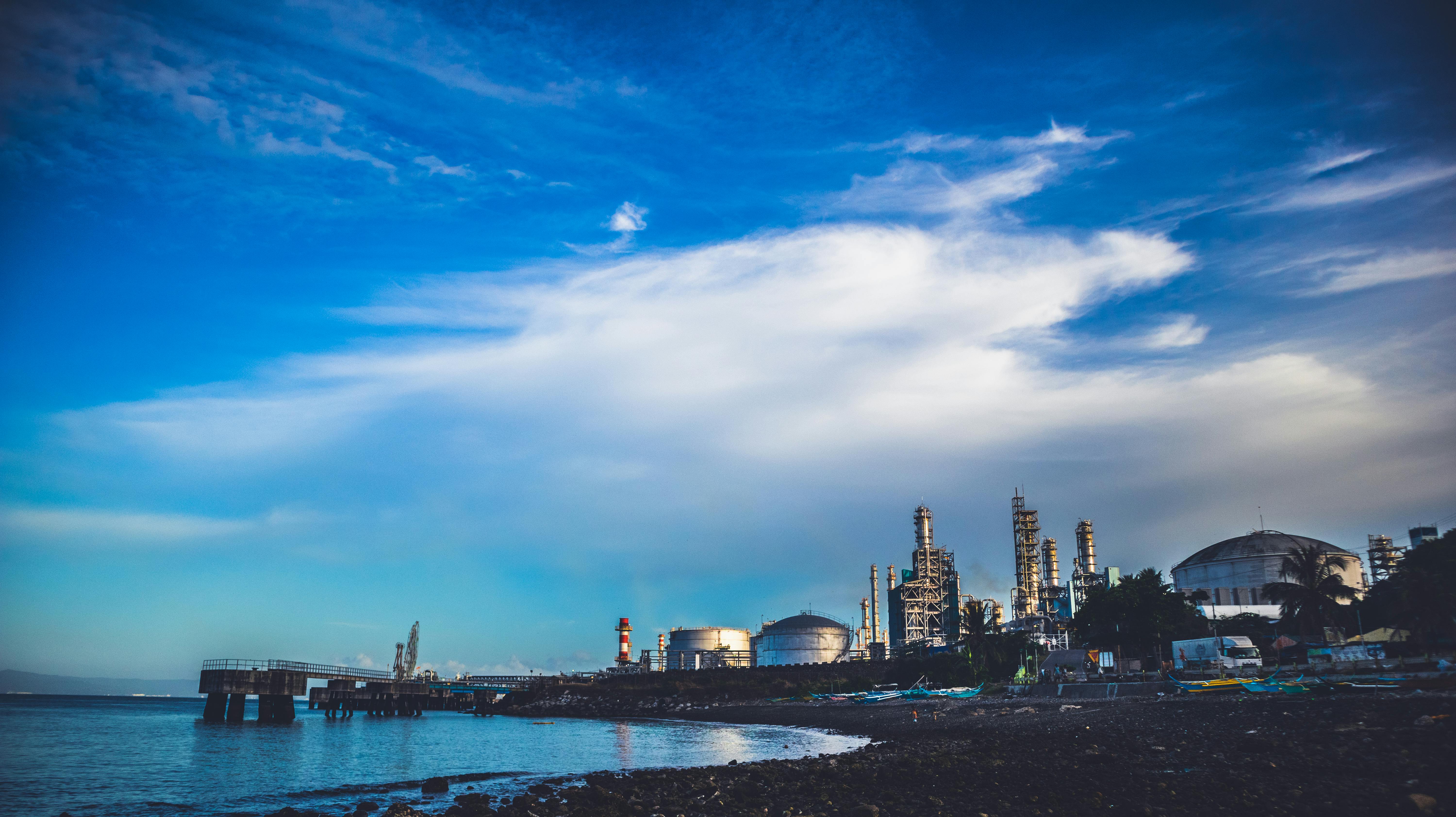
A massive explosion rocked the Valero oil refinery in Port Arthur, Texas on Monday, sending thick plumes of black smoke into the sky and prompting emergency officials to order nearby residents to shelter in place, according to officials familiar with the incident.
The blast struck the facility roughly 90 miles east of Houston along the Gulf Coast, one of the most densely industrialized stretches of shoreline in the country. Port Arthur sits at the heart of Texas’s refining corridor, home to several major petrochemical operations that together process millions of barrels of crude oil each day.
No injuries were reported in connection with the explosion, a detail that officials acknowledged as fortunate given the scale of the blast and its proximity to residential neighborhoods.
Emergency management personnel issued a shelter-in-place order for residents near the refinery shortly after the explosion, directing people to remain indoors, close windows and doors, and turn off ventilation systems that draw in outside air. Such orders are standard protocol in industrial corridor communities when a release of potentially hazardous smoke or chemicals occurs, though they place the burden of protection squarely on residents rather than the source of the danger.
Valero Energy, the San Antonio-based petroleum refining giant, operates the Port Arthur facility as one of its largest refineries in the country. The plant has a refining capacity that ranks it among the biggest in North America. The company did not immediately provide details about what unit or process triggered the explosion or how long the affected operations would remain offline.
Port Arthur has long lived in the shadow of its industrial neighbors. The city’s predominantly Black and low-income population has faced disproportionate exposure to air pollution from the surrounding refinery complex for decades, a pattern that environmental justice advocates have documented extensively. Shelter-in-place orders, while intended to protect public health in the short term, have become a familiar and unwelcome routine for many Port Arthur residents.
Air quality monitoring data from the region has historically shown elevated levels of particulate matter and toxic compounds tied to refinery operations even under normal conditions. An explosion of this scale raises questions about what compounds entered the smoke column and how far wind patterns carried them before concentrations fell to levels regulators consider safe.
State environmental regulators with the Texas Commission on Environmental Quality hold authority to investigate industrial air releases and require companies to report emissions that exceed permitted limits. Whether Monday’s explosion triggered such reporting requirements, and how quickly that information will become public, remained unclear as of Monday afternoon.
Federal oversight of refinery safety falls primarily to the Occupational Safety and Health Administration and the Environmental Protection Agency, both of which have authority to investigate industrial accidents and levy fines for violations. OSHA’s process for completing such investigations typically takes months, meaning any findings about the cause of the explosion and whether safety violations contributed to it would not emerge quickly.
The Port Arthur refinery explosion arrives at a moment when the industrial Gulf Coast faces heightened scrutiny over its aging infrastructure. Many of the refineries and petrochemical plants along the Texas and Louisiana coasts were built decades ago and have operated through multiple ownership changes, expansions, and regulatory shifts. Critics argue that inspection regimes have not kept pace with the risks posed by aging equipment.
For Port Arthur residents Monday, the immediate concern was simpler and more urgent. A shelter-in-place order disrupts work, school pickup, and daily life. It asks people to trust that staying inside their homes, often older structures with limited insulation against outside air, will protect them from whatever the smoke carries.
City and emergency management officials were expected to provide updated guidance as air quality monitoring information became available and as crews worked to bring the fire and any ongoing release under control. Residents were advised to monitor local emergency alerts and avoid the area surrounding the refinery until authorities lifted the shelter-in-place order.
The full extent of damage to the refinery and any impact on the facility’s production capacity had not been assessed as of Monday afternoon.