Charleston celebrates Riley's 40-year mayoral legacy at downtown panel
Community leaders gathered Tuesday to honor former Mayor Joe Riley's four-decade tenure through stories and discussion of his memoir at downtown event.
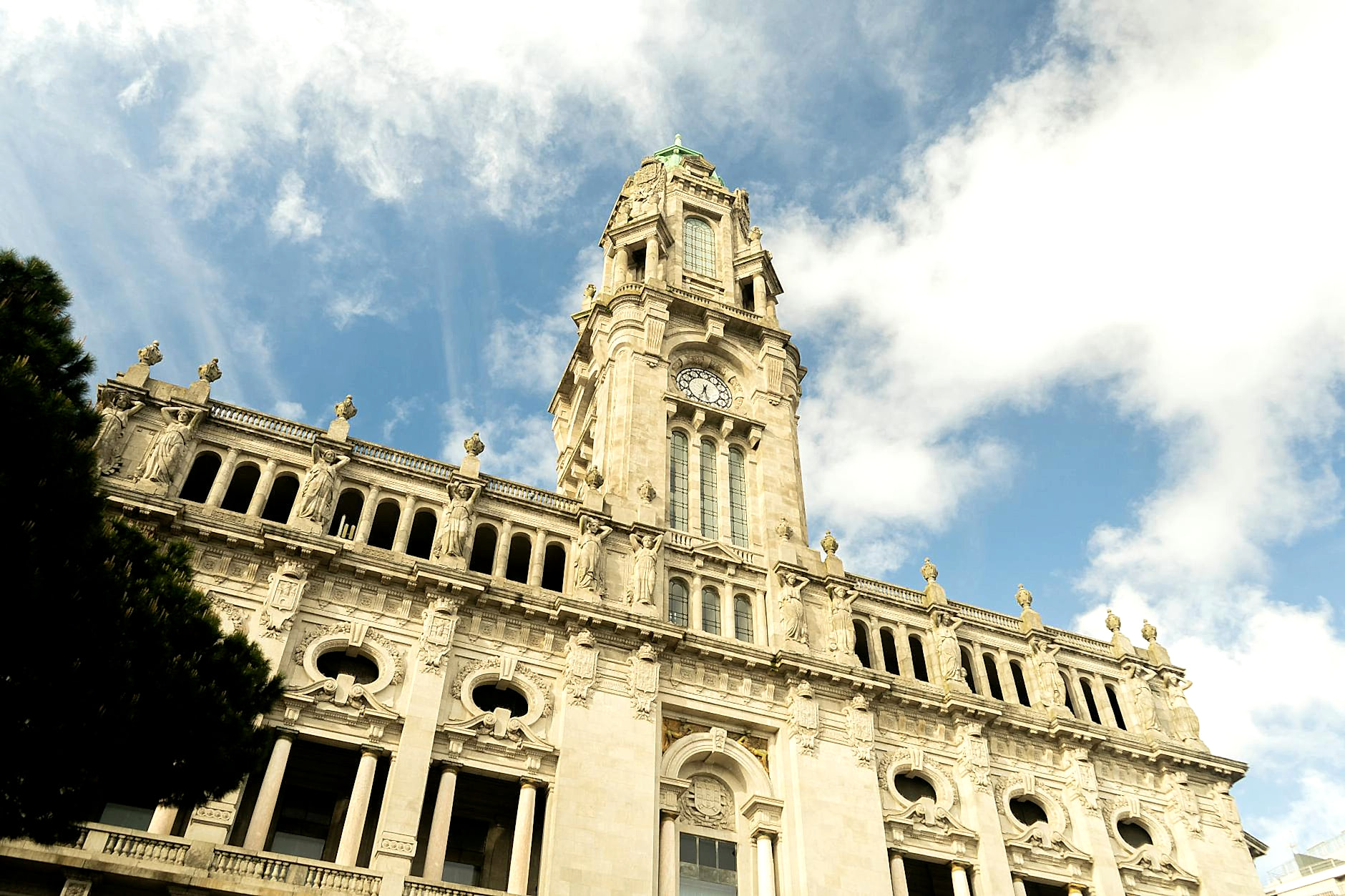
Charleston community leaders packed a downtown venue Tuesday evening to celebrate former Mayor Joseph P. Riley Jr.’s 40-year tenure through a panel discussion tied to his recently released memoir.
The “Riley Forty” event drew elected officials, business leaders and longtime residents who witnessed Riley’s transformation of Charleston from 1975 to 2016. Riley served as the city’s longest-serving mayor, overseeing major development projects and navigating the city through significant demographic and economic changes.
Riley’s memoir chronicles his four decades leading Charleston through periods of growth that reshaped the peninsula and surrounding areas. His administration oversaw the development of major tourism infrastructure and the expansion of the city’s economic base beyond its traditional port operations.
“Mayor Riley’s impact on this city cannot be overstated,” said panel moderator and longtime Charleston resident Margaret Williams. “He took risks that other leaders wouldn’t take.”
The discussion focused heavily on Riley’s approach to economic development, particularly his push for large-scale projects that drew both praise and criticism during his tenure. Riley championed the creation of multiple downtown hotels, the expansion of the Charleston Place complex, and the development of mixed-use projects that altered the city’s skyline.
Panel participants highlighted Riley’s role in establishing Charleston as a major tourism destination, pointing to his support for marketing campaigns and infrastructure improvements that attracted national attention. The former mayor’s administration invested heavily in streetscape improvements, parking facilities, and event venues designed to accommodate increased visitor traffic.
Riley’s handling of Charleston’s ongoing development debates remains a topic of discussion among current city leaders who inherited policies and projects initiated during his administration. His approach to balancing historic preservation with economic growth created precedents that continue to influence city council decisions.
The memoir addresses Riley’s management of several high-profile controversies, including disputes over development projects and criticism of his administration’s approach to affordable housing. Riley’s tenure coincided with significant population growth and rising property values that displaced longtime residents from traditional neighborhoods.
Tuesday’s panel included former city officials who served under Riley, as well as business leaders who worked with his administration on major projects. The discussion revealed tensions that existed during Riley’s tenure between different constituencies seeking influence over city policy.
“There were always competing interests,” said former City Councilman Robert Hayes, who served during Riley’s final term. “The mayor had to balance tourism, residents, and business development.”
Riley’s administration established several economic development incentive programs that remain in place today. His support for tax increment financing and public-private partnerships became standard tools for subsequent mayors dealing with similar development pressures.
The former mayor’s relationship with Charleston County government and state legislators also figured prominently in Tuesday’s discussion. Riley frequently advocated at the state level for legislation benefiting Charleston, including transportation funding and tourism promotion measures.
Panel participants noted Riley’s involvement in regional planning efforts, particularly his work on transportation infrastructure connecting Charleston to surrounding counties. His administration supported highway projects and port expansion that required coordination with state and federal agencies.
The memoir details Riley’s perspective on several major decisions that shaped modern Charleston, including his support for the Ravenel Bridge project and the relocation of the Charleston Naval Base operations. These projects involved complex negotiations with multiple government entities and private contractors.
Riley’s approach to public safety and emergency management also received attention during Tuesday’s discussion. His administration dealt with several major storms and established protocols for downtown event security that remain in use today.
The event concluded with discussion of Riley’s post-mayoral activities, including his continued involvement in Charleston-area nonprofit organizations and consulting work. Several panel participants noted his ongoing influence on current city government decisions through informal advisory roles.
Attendees included current Mayor John Tecklenburg, who served on city council during Riley’s tenure before winning election as his successor. Tecklenburg has maintained several Riley-era policies while implementing his own priorities for city development.
The memoir is available at local bookstores and includes photographs from Riley’s four decades in office. Riley plans additional public appearances to discuss the book and his experiences leading Charleston through significant changes.
City records show Riley’s administration approved development projects worth more than $2 billion during his tenure, fundamentally altering Charleston’s economy and physical appearance. His policies continue to influence current debates over growth management and historic preservation.