Charleston Approves Design Review Exemption for City Projects
Charleston City Council voted 12-1 to exempt city-led projects from full architectural review, drawing criticism from preservationists and neighborhood advocates.
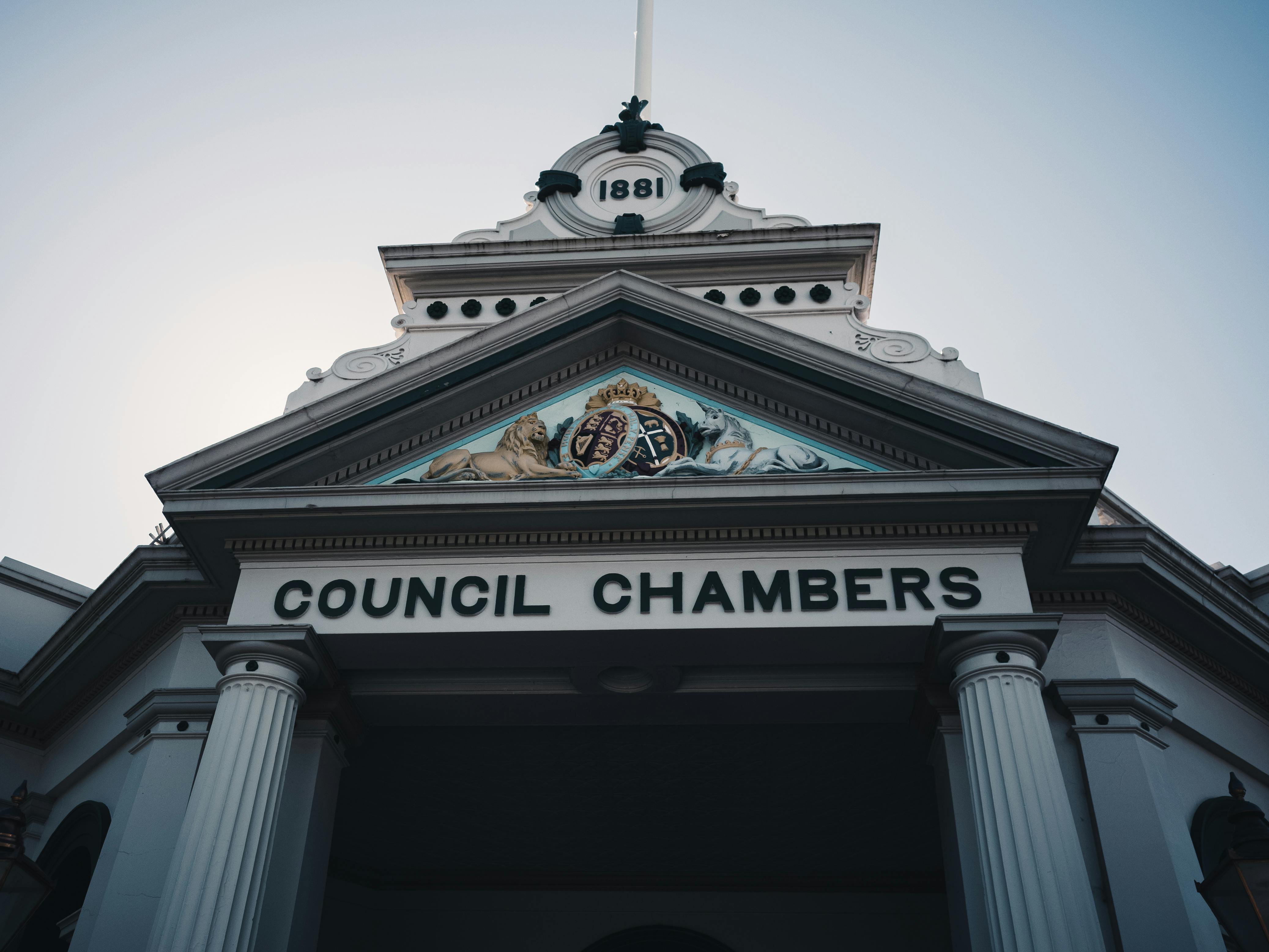
Charleston City Council voted 12-1 Tuesday to approve an ordinance that exempts city-led construction projects from much of the design review process, a move critics say carves out a significant loophole for municipal development at the expense of architectural oversight.
The vote pushes through a change that effectively places city-sponsored projects on a different regulatory track than private development. Under existing rules, projects that alter the built environment in historic or design-sensitive districts must pass through the Board of Architectural Review, a body that evaluates massing, materials, and compatibility with surrounding structures. The new ordinance narrows that requirement for projects the city itself initiates or funds.
Proponents of the measure have argued that the standard review process creates costly delays for municipal infrastructure work, including utility upgrades, public facility renovations, and streetscape improvements. City staff and allied council members contend that those projects serve the public interest and should move faster than private commercial or residential builds.
Opponents pushed back hard. The 12-1 margin on the floor understates the friction the proposal generated in committee and in public comment sessions leading up to Tuesday’s vote. Preservationists, architects, and neighborhood advocates argued the ordinance creates a structural conflict of interest: the city would now evaluate its own projects under a lighter standard than it applies to private developers building on adjacent parcels. In a city where the historic district’s architectural integrity is both a tourism driver and a zoning anchor, that asymmetry carries real weight.
The lone dissenting vote drew attention to the breadth of the exemption. Rather than narrowing the carve-out to a defined category of infrastructure projects, such as water main replacements or traffic signal installations, the ordinance as written applies broadly to city-led work. Critics contend that language could eventually cover public buildings, parking structures, or facilities with significant visual impact on established streetscapes.
Charleston’s Board of Architectural Review has been a consistent point of friction in the city’s development pipeline. Private developers routinely navigate its approval process before breaking ground in regulated zones, and the review timelines can stretch a project’s pre-construction phase by months. The new ordinance does not eliminate BAR jurisdiction entirely over city projects, but the exemptions it creates are wide enough that opponents believe meaningful oversight will be difficult to enforce in practice.
The ordinance arrives at a moment when the city is managing a growing capital project list, including post-storm infrastructure repairs, facility upgrades tied to population growth, and planning work connected to sea level adaptation. City officials have not identified specific projects that prompted the push for expedited review authority, though the timing suggests the pressure comes partly from an expanding construction workload.
Charleston’s planning framework has long tried to balance growth pressure against historic preservation commitments, a tension that runs through nearly every significant development approval the city handles. The BAR in particular draws scrutiny because its rulings affect property values, insurance classifications, and the long-term character of neighborhoods that predate modern zoning entirely.
For private developers, the ordinance will likely register as an uneven playing field. A residential developer seeking to renovate a property in a regulated district must still submit full BAR documentation, pay associated fees, and wait for board scheduling. The city, building on a neighboring parcel or repurposing a city-owned structure, now may not face the same bar.
Council members who voted for the measure did not indicate plans to revisit the exemption language in the near term. The single no vote came without a recorded floor statement, according to the meeting record.
The ordinance takes effect following the mayor’s signature, which is expected. Implementation details, including which city departments must still submit abbreviated design documentation and what internal review replaces BAR oversight, had not been made public as of Wednesday.
Neighborhood preservation groups that opposed the measure said they are reviewing whether the ordinance’s scope can be challenged through the city’s appeals process or through a formal petition to reopen the zoning code review cycle scheduled for later this year.