Hawaii Flooding Forces 4,000 to Evacuate as Old Dam May Fail
Over 4,000 residents near Honolulu fled rising floodwaters on Oahu's North Shore as officials warned a 120-year-old dam was at risk of imminent failure.
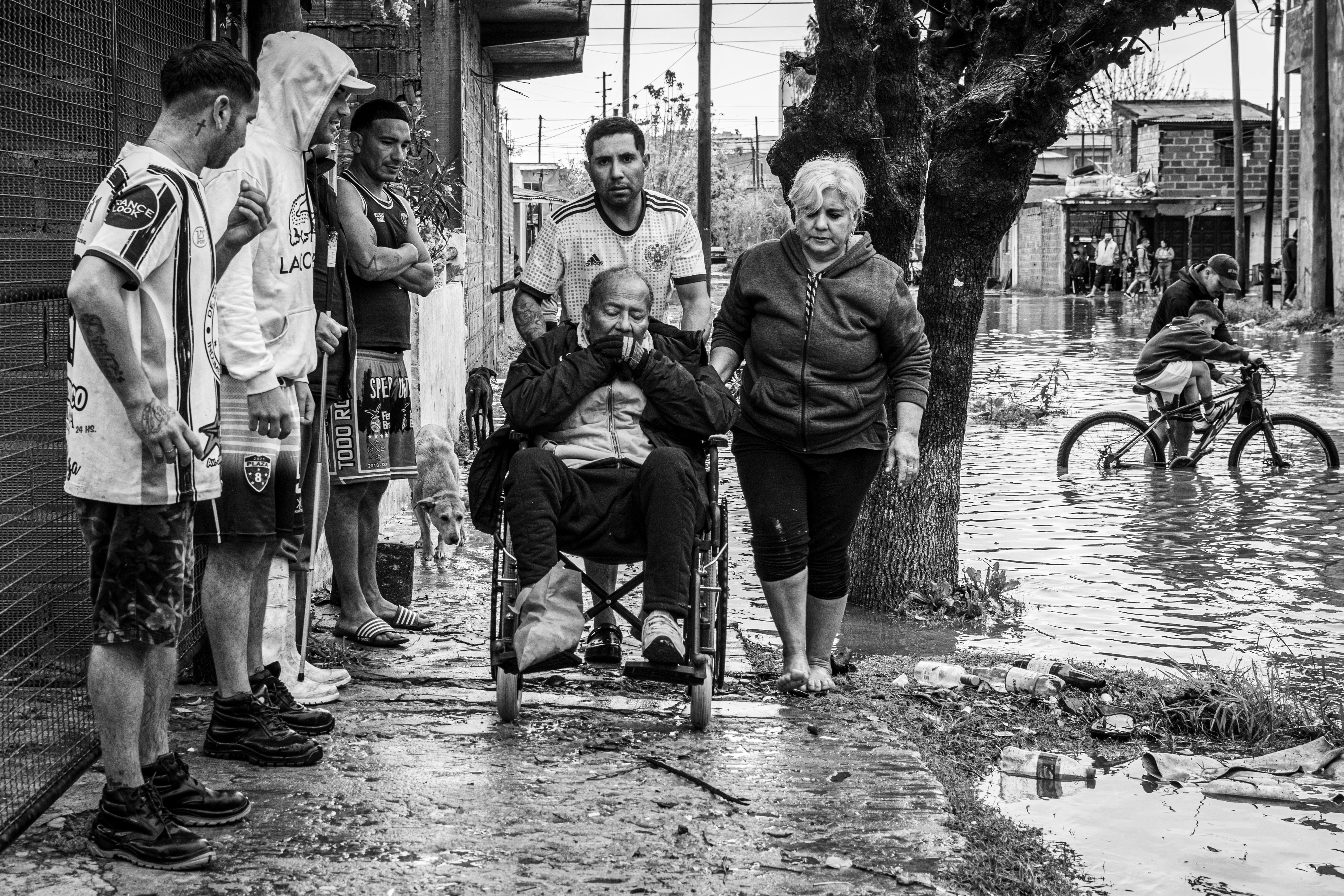
Muddy floodwaters surged through communities north of Honolulu on Friday, pushing homes off their foundations, swallowing vehicles and forcing more than 4,000 residents to flee as emergency officials warned that a 120-year-old dam could fail at any moment.
Sirens blared along Oahu’s North Shore as rising waters tore through neighborhoods, leaving scenes of widespread destruction in their wake. The evacuation orders covered thousands of residents in towns stretching across the region, where severe rainfall overwhelmed drainage systems and sent floodwaters pouring into streets and homes.
The aging dam at the center of official concern added urgency to an already dangerous situation. A dam that has stood for more than a century carries the compounded vulnerabilities of decades of wear, and the prospect of structural failure on top of an active flood event presented emergency managers with a worst-case scenario. Officials did not mince words in urging residents to leave immediately.
Hawaii has confronted the dangers posed by aging water infrastructure before. The state is home to dozens of dams built in the late 19th and early 20th centuries, many of them originally constructed to support the sugar cane and pineapple industries that once defined the islands’ economy. As those industries faded, so did the financial incentives to modernize or replace the structures. What remained were aging earthen and concrete dams scattered across a state that now sees those same watersheds surrounded by residential communities.
The flooding along the North Shore illustrated how quickly conditions can deteriorate when heavy rains hit terrain that channels water fast and hard toward populated low-lying areas. Oahu’s geography, with steep mountains giving way abruptly to coastal plains, means rainfall in the uplands can translate to catastrophic flooding downstream in a matter of hours.
Residents who stayed behind despite evacuation orders risked being cut off entirely. Floodwaters that overtop roads do not just inconvenience drivers. They strand people who may later need emergency medical care, and they put rescue personnel in danger when they attempt to reach those who delayed leaving.
The scale of the evacuation order, more than 4,000 people, reflects how densely populated the North Shore has become in recent decades. What was once a stretch of quiet surf towns and agricultural land now includes subdivisions, resort properties and a year-round residential population with strong ties to the coast.
Friday’s crisis also raises questions that will demand answers once the immediate emergency passes. Who is responsible for monitoring the dam’s condition? What inspection records exist, and when were they last updated? Has the state prioritized funding for dam safety assessments and remediation, or has that work been deferred year after year in favor of other budget priorities? Public records requests filed in the coming days should shed some light on those questions.
Hawaii’s dam safety program, administered through the state Department of Land and Natural Resources, is responsible for regulating more than 130 dams statewide. Inspections are required, but the frequency and thoroughness of those inspections, along with what happens when deficiencies are flagged, varies. Advocates for infrastructure investment have long argued that the state’s dam safety program is underfunded relative to the risk it is asked to manage.
That argument is easier to dismiss in normal times. It is considerably harder to dismiss when sirens are blaring and families are loading children and pets into cars and trying to outrun a flood.
The National Weather Service issued warnings for Oahu as the storm system moved through. Heavy rainfall totals in the mountains above the North Shore fed the surge that overwhelmed the communities below.
As of Friday, emergency personnel were focused on evacuation compliance and monitoring the dam. The full extent of property damage was not yet clear, and engineers were still assessing the structure’s integrity.
The residents ordered to leave had little choice but to trust that the system designed to protect them, the inspections, the warnings, the emergency management infrastructure, had been doing its job. Whether that trust was earned is a question worth examining carefully once the waters recede and the accounting begins.